Achieve Brighter, More Vibrant Eyes With Blepharoplasty in St. Louis

With age and sun damage, the delicate eyelid tissue can loosen and weaken. This can result in a hooded eyelid appearance, bags under the eyes, and a generally tired appearance. Eyelid surgery in the St. Louis area at Renaissance Plastic Surgery can refresh your appearance by trimming the excess tissue from the upper or lower eyelids. Your plastic surgeon can even address both your upper and lower lids in one procedure, providing comprehensive eye rejuvenation.

Eyelid Surgery Topics

What Is Eyelid Surgery?

Eyelid surgery, also known as blepharoplasty, is a cosmetic surgical procedure that refreshes and enhances the appearance of the eyes. This surgery can be used to address various cosmetic issues, including the following:

  • Bags under the eyes
  • Loose or excess skin hanging down from the upper eyelid
  • Puffiness around the upper eyelids
  • Drooping lower eyelids
  • Crepe paper wrinkles around the lower eyelids
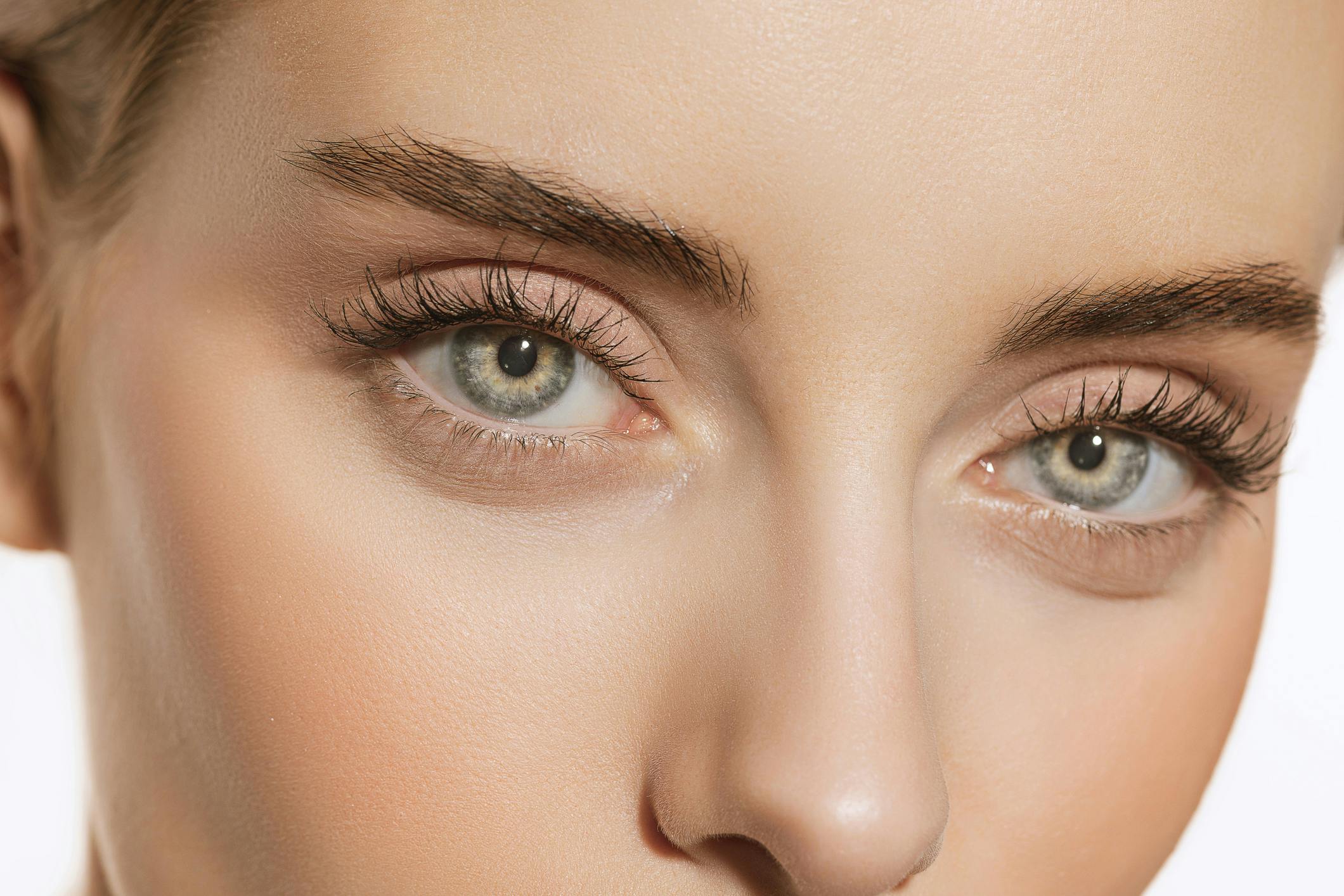
person with pretty eyes and skin

Benefits of Eyelid Surgery

Blepharoplasty is a potentially life-changing procedure that can provide all of the following benefits:

  • More alert, vibrant eyes
  • Improved facial symmetry
  • Elimination of “tired eyes” appearance
  • Removal of under-eye bags or dark circles
  • A more youthful facial appearance
  • Improved field of vision
  • Increased self-confidence

Eyelid Surgery Patient Testimonial

"I’ve had three procedures: a tummy tuck that transformed my confidence, and most recently a full facelift and lower eyelid surgery that left me looking refreshed and natural. The results exceeded my expectations every time—professional care, smooth recoveries, and zero complications. If you’re considering cosmetic surgery, he’s the best!"

real patient

Quote media

Schedule A Consultation

Contact Us
Contact us media

Who Is a Good Candidate for Blepharoplasty in St. Louis?

If you are struggling with heavy, hooded upper eyelids that make you look constantly tired—or prominent under-eye bags that makeup cannot cover, you are likely an excellent candidate for eyelid surgery at Renaissance Plastic Surgery.

During your private consultation at our St. Louis or St. Peters offices, our board-certified surgeons evaluate several critical physical and medical criteria to ensure your safety and optimal healing:

  • Anatomical Concerns: Ideal candidates have excess, sagging skin on the upper lids (which can sometimes block peripheral vision) or herniated fat pads causing puffiness under the eyes.
  • Overall Physical Health: You should be free of active eye infections, uncontrolled dry eye syndrome, and serious ophthalmic conditions such as glaucoma.
  • Medical History Check: We review your medical history for conditions such as high blood pressure, thyroid disorders, or diabetes, which can affect healing.
  • Medication & Supplement Review: For safety, candidates must be prepared to temporarily stop taking blood-thinning medications and supplements, including aspirin, ibuprofen, fish oil, St. John’s Wort, and high-dose Vitamin E, for at least two weeks before and after surgery.
  • Lifestyle Factors: You must be a non-smoker (or committed to quitting completely for four weeks before and after surgery), as smoking severely limits oxygen flow to the delicate healing tissues of the eyelids.
Banner media

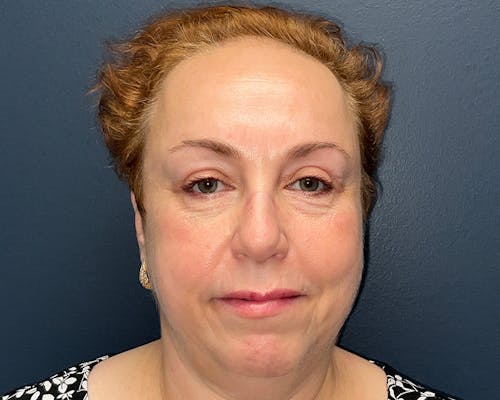
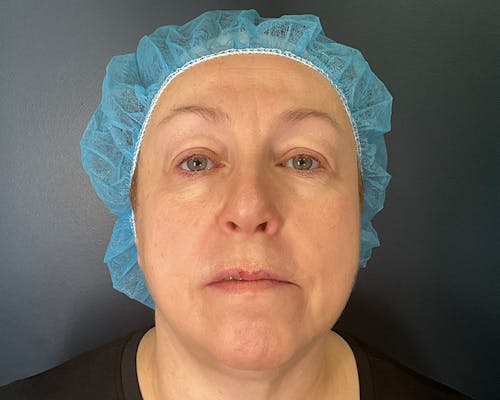
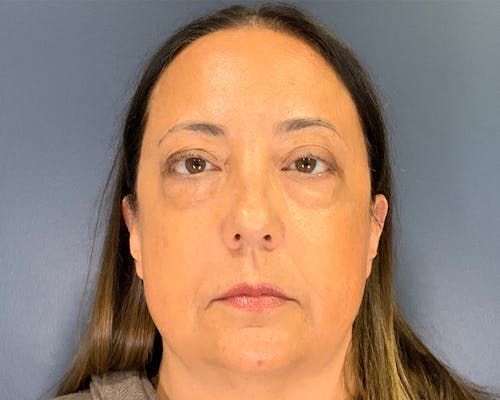
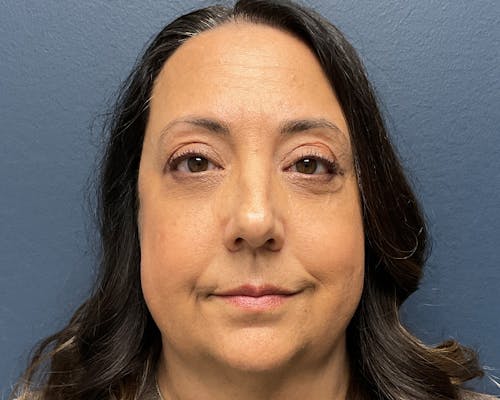
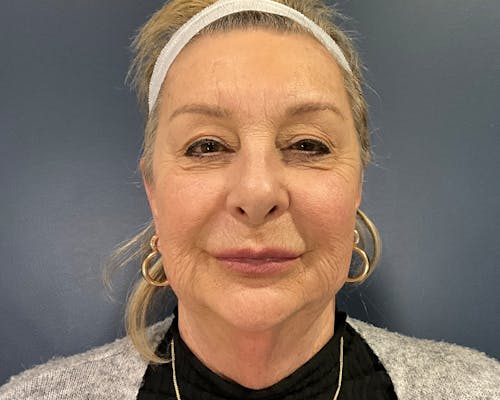
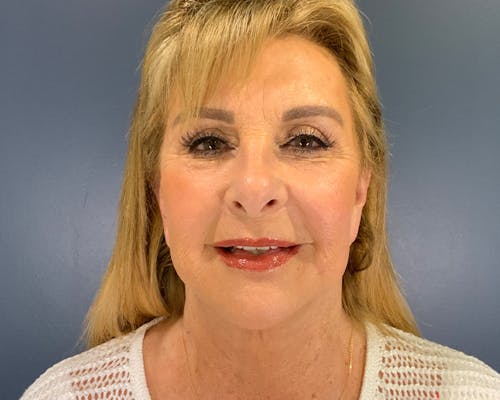
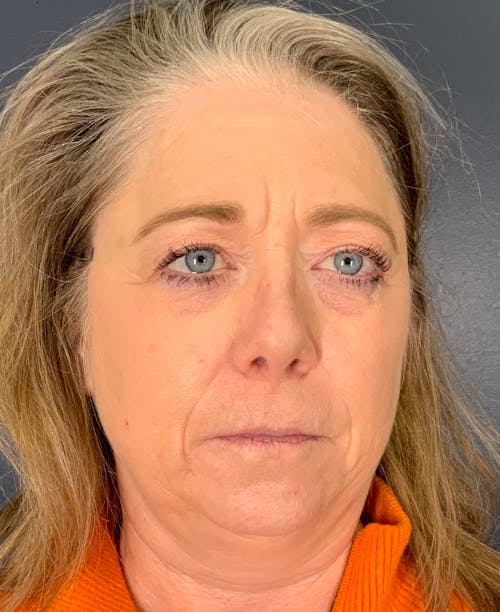
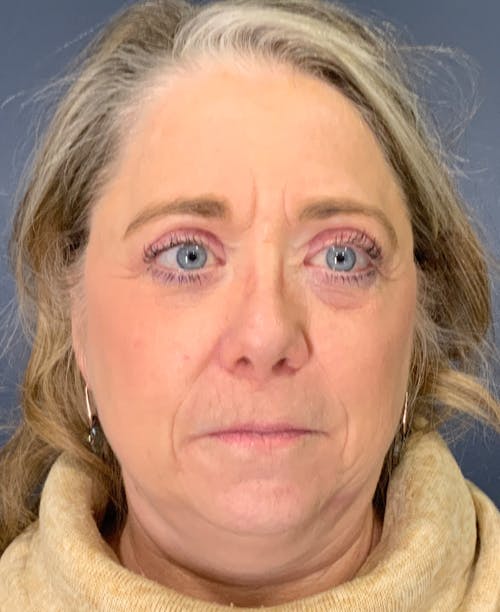
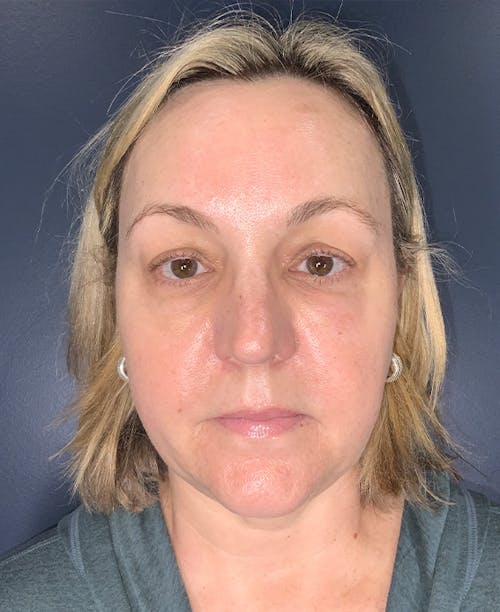
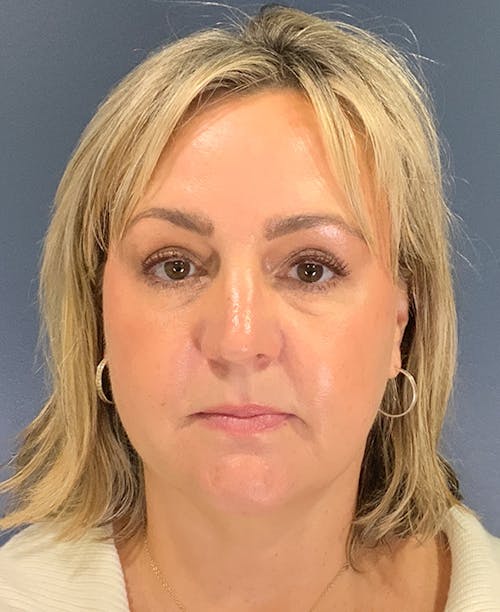
Blepharoplasty Before & After

What to Expect on Your Surgery Day at Renaissance Plastic Surgery

From the moment you arrive at our state-of-the-art, accredited outpatient surgical center in the St. Louis area, our priority is your absolute comfort, safety, and peace of mind. Eyelid surgery is a highly refined, meticulous procedure that we customize entirely to your facial anatomy.

Step 1: Pre-Surgical Preparation & Design

Before any medication is administered, your Renaissance plastic surgeon will meet with you while you are sitting upright. They will carefully mark the precise, microscopic increments of skin and fat to be addressed, ensuring perfect symmetry when your eyes are open and expressive.

Step 2: Anesthesia & Comfort

For your safety and comfort, blepharoplasty is performed using one of two highly controlled methods:

Local Anesthesia with Sedation: The eyelid area is gently numbed with a localized block, and you receive oral or IV sedation. You will remain completely relaxed, pain-free, and comfortably drifting in and out of sleep.

General Anesthesia: For patients undergoing a quad-blepharoplasty (both upper and lower lids simultaneously) or combining eyelid surgery with a facelift, general anesthesia is administered by a board-certified anesthesiologist.

Step 3: Precision Incisions & Tissue Sculpting

Our surgeons utilize advanced, scar-minimizing techniques to ensure your results look completely natural:

Upper Blepharoplasty: The surgeon places a microscopic incision hidden directly within the natural fold of your upper eyelid crease. Through this, we conservatively trim sagging skin and strip away small pockets of protruding fat.

Lower Blepharoplasty: We frequently perform a transconjunctival blepharoplasty, placing the incision just inside the lower eyelid. This allows us to redistribute or remove puffy fat pads with zero visible external scarring. If you have loose, crepey skin beneath the eye, a conservative incision is made just below the lower eyelash line, which heals into an almost invisible, fine line.

Step 4: Immediate Recovery

Once the tiny, self-dissolving sutures are placed, you will rest in our quiet recovery suite. Our nursing team will apply cold, soothing compresses to your eyes to minimize initial swelling. Because of the sedative medications, you will need a trusted friend or family member to drive you home to rest.

Background media

Your Blepharoplasty Recovery Timeline

While the eyelids heal faster than almost any other part of the body, knowing what to expect day by day is the key to a stress-free recovery.

1. The First 24 to 48 Hours: Rest & Cold Compresses

Expect mild swelling, bruising, and a tight sensation around the eyes. Pain is typically very mild and easily managed with extra-strength Tylenol. You will use prescribed lubricating eye drops to prevent dryness and apply cold compresses intermittently to control swelling. Keep your head elevated on 2-3 pillows, even while sleeping.

2. Days 3 to 5: Initial Healing

Swelling usually peaks on day 3 before rapidly subsiding. You can wash your face gently, but keep the eye area clean and dry. Most patients are comfortable working from home or watching TV by this point, though your eyes may fatigue slightly faster than usual.

3. Day 7: Suture Removal & Light Activity

You will return to Renaissance Plastic Surgery for your one-week post-op check. If non-dissolving sutures were used, they are gently removed today. Any remaining bruising is typically light enough to be easily camouflaged. You may begin wearing mineral makeup and resume light, casual walks.

4. Days 10 to 14: Return to Public & Work

For most St. Louis patients, this is the "socially presentable" milestone. Bruising is virtually gone, swelling is minimal, and you can confidently return to the office, run errands, and attend social events without people noticing you've had surgery.

5. Weeks 3 to 4: Resuming Exercise

The delicate blood vessels in your eyelids have healed. You can safely resume strenuous exercise, heavy lifting, running, and wearing contact lenses.

Upper vs. Lower Eyelid Surgery

When considering eyelid surgery, you and your surgeon will determine whether upper or lower blepharoplasty is ideal for you. Alternatively, you may be able to have both procedures performed simultaneously.

Upper blepharoplasty

Upper blepharoplasty is performed to remove excess fat and skin from the interior corner to slightly beyond the outside corner of your lid. This is typically where the incision is placed, and once the tissue is removed, the skin is closed with sutures.

Lower blepharoplasty

Lower blepharoplasty is similar to the upper eyelid procedure and is performed to help with those puffy bags under your eyes. Incisions are placed on the natural lines of your lid and any fat and skin are then removed. A laser may also be used to tighten and firm the skin, and sutures will be used to close the incision.

Complementary Procedures to Eyelid Surgery in St Louis
for Complete Rejuvenation

While blepharoplasty refreshes the immediate eye area, many St. Louis patients combine it with other Renaissance Plastic Surgery procedures for a more balanced, youthful facial appearance:

Brow Lift: If you have a sagging forehead or drooping eyebrows that push down onto your upper eyelids, a brow lift restores them to a natural, youthful position.

Mini Facelift or Full Facelift: Corrects jowls, loose neck skin, and mid-face sagging to match your newly refreshed eyes.

Laser Skin Resurfacing: Blepharoplasty removes excess skin and fat, but Sciton® laser resurfacing targets fine lines, crepey skin texture, and "crow's feet" around the eyes that surgery alone cannot fix.

BOTOX® & Dermal Fillers: Non-surgical injectables help maintain smooth, wrinkle-free skin and restore lost volume in the temples and under-eye hollows (tear troughs).

Doctor media

Why Choose Renaissance Plastic Surgery for Blepharoplasty in St. Louis?

At Renaissance Plastic Surgery, eyelid surgery in St. Louis is performed by one of our board-certified and board-eligible plastic surgeons, each known for meticulous technique, aesthetic judgment, and a deep understanding of facial anatomy. Our surgeons approach blepharoplasty with both cosmetic and functional precision, addressing concerns such as hooded upper eyelids, under-eye bags, and age-related eyelid changes while preserving natural expression.

Every blepharoplasty procedure is customized to the patient’s unique anatomy and goals, allowing for refined, natural-looking results that enhance, not alter, your appearance. Patients throughout St. Louis and St. Peters trust Renaissance Plastic Surgery for personalized care, surgical expertise, and consistently natural outcomes.

Learn More about RPS

Doctor media
Doctor credentials
Doctor credentials
Doctor credentials
Doctor credentials
Doctor credentials
Doctor credentials

Eyelid Surgery FAQ

Is eyelid surgery covered by insurance?

How soon after eyelid surgery will I see the full results?

Are the results of blepharoplasty permanent?

Does blepharoplasty affect eye health or dryness?

Why is eyelid surgery considered one of the most technically precise facial procedures?

Is there an ideal age for blepharoplasty, or can it be done earlier or later in life?

Is eyelid surgery covered by insurance?

If your vision is obscured, eyelid surgery can be performed for medical reasons and may be covered by your health insurance. However, insurance will typically not cover the procedure if it’s being performed purely for cosmetic reasons.

How soon after eyelid surgery will I see the full results?

You will see changes in your eyelids soon after surgery. Shortly after the procedure, though, swelling will obscure the new contours of the eyes. It can take one to two weeks for the swelling and redness to subside enough to begin seeing significant effects of the procedure. Usually, the complete results of the surgery are visible after about four to six weeks.

Are the results of blepharoplasty permanent?

Although the results of eyelid surgery aren’t necessarily permanent, they are typically very long-lasting. With upper blepharoplasty, the results usually last for around five to 10 years. However, the results of lower blepharoplasty can often last for decades or even a lifetime.

Does blepharoplasty affect eye health or dryness?

Blepharoplasty is designed to enhance the eyelids while protecting eye function, but temporary dryness or irritation can occur during healing. Swelling may affect how the eyelids blink or close for a short time, and lubricating drops or ointment are often recommended. Patients with existing dry eye, contact lens sensitivity, or certain eyelid conditions should mention this during consultation so the surgical plan can be tailored to support comfort and eye health.

Why is eyelid surgery considered one of the most technically precise facial procedures?

Eyelid surgery is highly precise because the eyelids have thin skin, complex anatomy, and a major role in both appearance and eye protection. Small adjustments can significantly impact symmetry, eyelid contour, and how natural the eyes look in motion. A meticulous approach is required to remove or reposition tissue conservatively, hide incisions in natural creases, and preserve the eyelid’s ability to blink and close comfortably.

Is there an ideal age for blepharoplasty, or can it be done earlier or later in life?

There is no single “best” age for blepharoplasty—timing depends on anatomy, concerns, and overall health. Some people consider eyelid surgery earlier due to genetics (such as heavy upper lids or under-eye bags), while others pursue it later as aging causes skin laxity or puffiness. The most important factor is candidacy: being in good health, having realistic expectations, and having eyelid concerns that can be effectively improved with surgery.

Cta sub media
Accessibility: If you are vision-impaired or have some other impairment covered by the Americans with Disabilities Act or a similar law, and you wish to discuss potential accommodations related to using this website, please contact our Accessibility Manager at 636-896-0600.
Contact Us